We live in a world where almost anything can arrive at our doorstep tomorrow. Sometimes even today. We can order something with a few clicks, choose from thousands of nearly identical products, and replace an object almost as easily as we purchased it.
I appreciate convenience as much as anyone. But I also find myself increasingly drawn to things that take time.
Things made by hand.
Perhaps that's because I've spent much of my life making things. At Carrot Top Studio, our work involves drawing, cutting, arranging, stitching, and occasionally starting over. I've learned that the value of handmade work isn't simply in the finished object. It's also in the process, the decisions, and the human attention that go into creating it.
And I think that still matters.
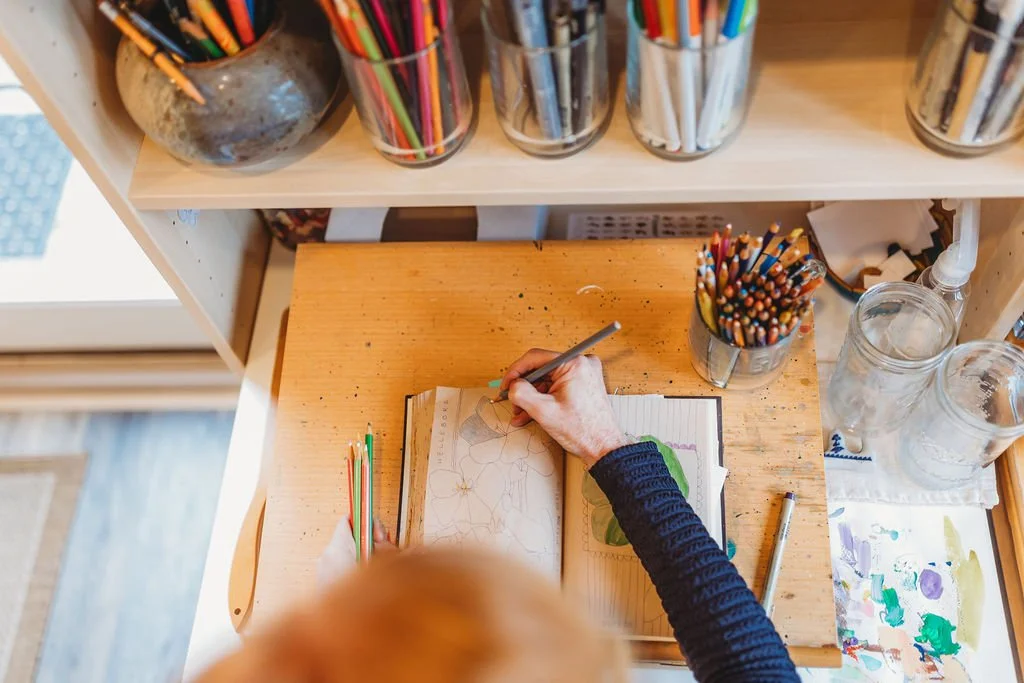
Handmade Things Carry Evidence of a Person
One of my favorite things about handmade objects is that they reveal something about the person who created them.
Look closely at a piece of pottery, a quilt, a hand-carved wooden bowl, or an embroidered textile. You may notice small variations in shape, color, or texture. Perhaps there's a slightly uneven line or an unexpected combination of materials.
Those details aren't necessarily flaws. They're reminders that a person made choices along the way. An artist selected that color. A potter shaped that curve. A quilter decided where two fabrics should meet. Mass production is designed to make objects consistent. Handmade work allows room for individuality.
Something is appealing about knowing that another person's hands and imagination were involved in creating an object we use or enjoy.
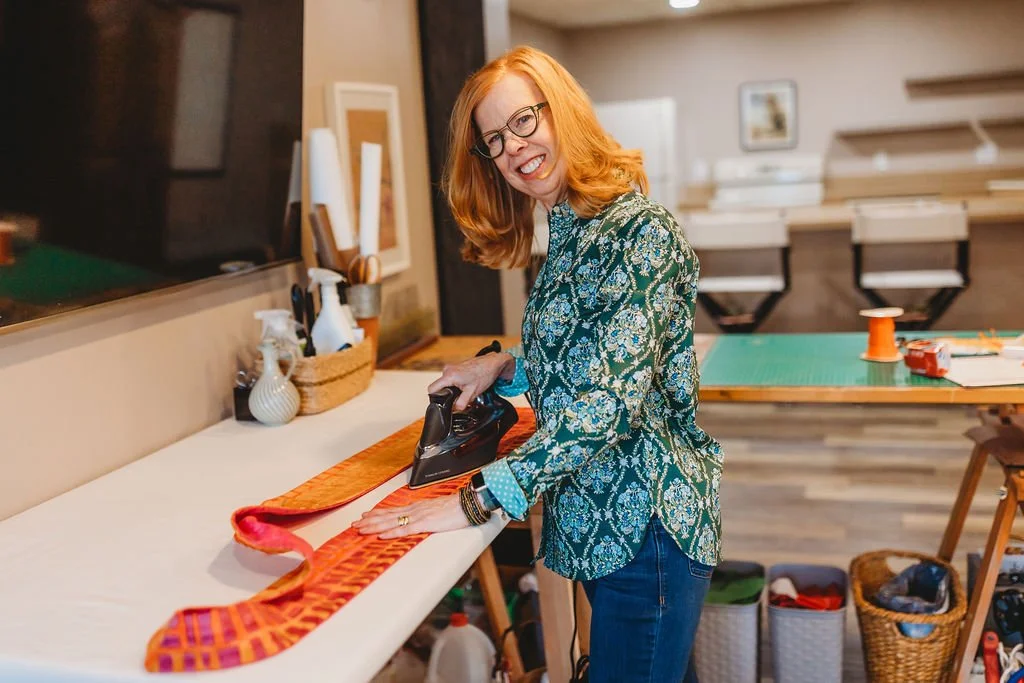
Making by Hand Requires Attention
When I'm working in the studio, I can't always rush the process. Fabric has to be cut carefully. Colors need to be considered alongside one another. A design that looks wonderful on paper may need adjusting once it becomes three-dimensional. Sometimes the best decision is to stop, step away, and return with fresh eyes
Handmade work asks us to pay attention to details that might otherwise be overlooked. It requires patience, problem-solving, and a willingness to reconsider an idea. Those are valuable habits well beyond an artist's studio. In a culture that often rewards doing more in less time, making something slowly can remind us that efficiency isn't the only measure of worthwhile work.
There's a Story Behind the Finished Piece
I love visiting art museums, but I'm equally interested in seeing artists' studios and learning about their processes. What inspired the work? Why did they choose those materials? What did they change along the way?
A finished object rarely reveals all the questions, experiments, and decisions that brought it into being.
The same is true at Carrot Top Studio. An idea might begin with a line from a hymn, a detail noticed in a cathedral, a walk through a garden, or a conversation about someone's ministry. That inspiration eventually becomes something tangible, but the story began long before the first piece of fabric was cut.
This is one reason I enjoy sharing behind-the-scenes glimpses of our studio. I want people to see that handmade objects don't simply appear. They develop through observation, imagination, skill, and time.
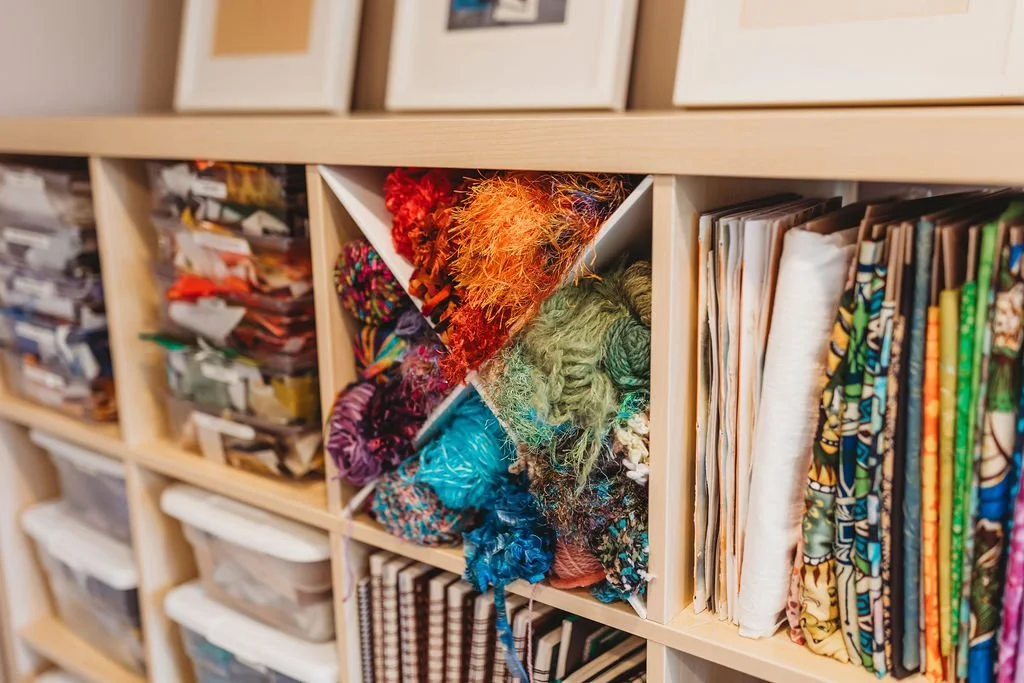
Handmade Doesn't Have to Mean Perfect
One of the challenges of living in a world filled with polished images is that we can begin to expect everything to look flawless. But making things by hand teaches us a different lesson.
Sometimes a line isn't quite straight. Sometimes a color combination doesn't work the way we imagined. Sometimes a project needs to be taken apart and begun again. And sometimes an unexpected result becomes the most interesting part of the design.
I've learned that creativity requires a certain amount of flexibility. We can plan carefully and still leave room for discovery. That's true whether we're sewing a quilt, arranging flowers, baking bread, or making a card for someone we love. The goal isn't always perfection. Sometimes it's the satisfaction of having made something with care.
Handmade Connects Us to One Another
There's also a long history of people making things for the people they love and the communities they belong to. Quilts have marked weddings and births. Handwritten letters have carried encouragement across distances. Families have passed down recipes, woodworking skills, embroidery patterns, and countless other traditions.
Churches have their own rich history of handmade work, too. Think of the banners, stained glass, needlework, carved furnishings, and textiles that have helped generations of people experience worship.
These objects are more than decoration. They reflect the time, talent, and care of the people who created them. When we make something for another person, we're offering a little of ourselves. And when we receive something handmade, we're reminded that someone invested their attention in us.
Making Room for What Matters
I don't believe everything needs to be handmade. Modern manufacturing has made many useful and beautiful things accessible, and I'm grateful for that. But I do think there's value in keeping handmade work part of our lives. Not because it's old-fashioned or automatically better, but because it offers something different.
It invites us to notice materials, appreciate skill, understand process, and recognize the people behind the things we use. It reminds us that some worthwhile things cannot be hurried. At Carrot Top Studio, making things by hand is simply part of how we tell stories. It's how ideas become visible and how ordinary materials take on meaning.
And after all these years, I still find joy in watching that happen.
Perhaps that's why handmade still matters to me. In a world that moves so quickly, it gives us a reason to slow down, pay attention, and appreciate the human hands behind the work.
What handmade object in your home carries a story? Maybe it's something you made, something you inherited, or something someone created especially for you. I hope you'll take a moment to notice it today.