Pentecost is a feast of movement.
Wind.
Flame.
Voice.
It is one of the most visually rich moments in the church year, yet it can also be one of the easiest to overlook once the red paraments are in place and the familiar story is read.
But Pentecost invites more than remembrance.
It invites experience.
It asks: What does it look like when the Spirit moves among us?
For churches, this becomes a beautiful opportunity to lean into visual language not as decoration, but as a way of helping people see and feel the story unfolding in real time.
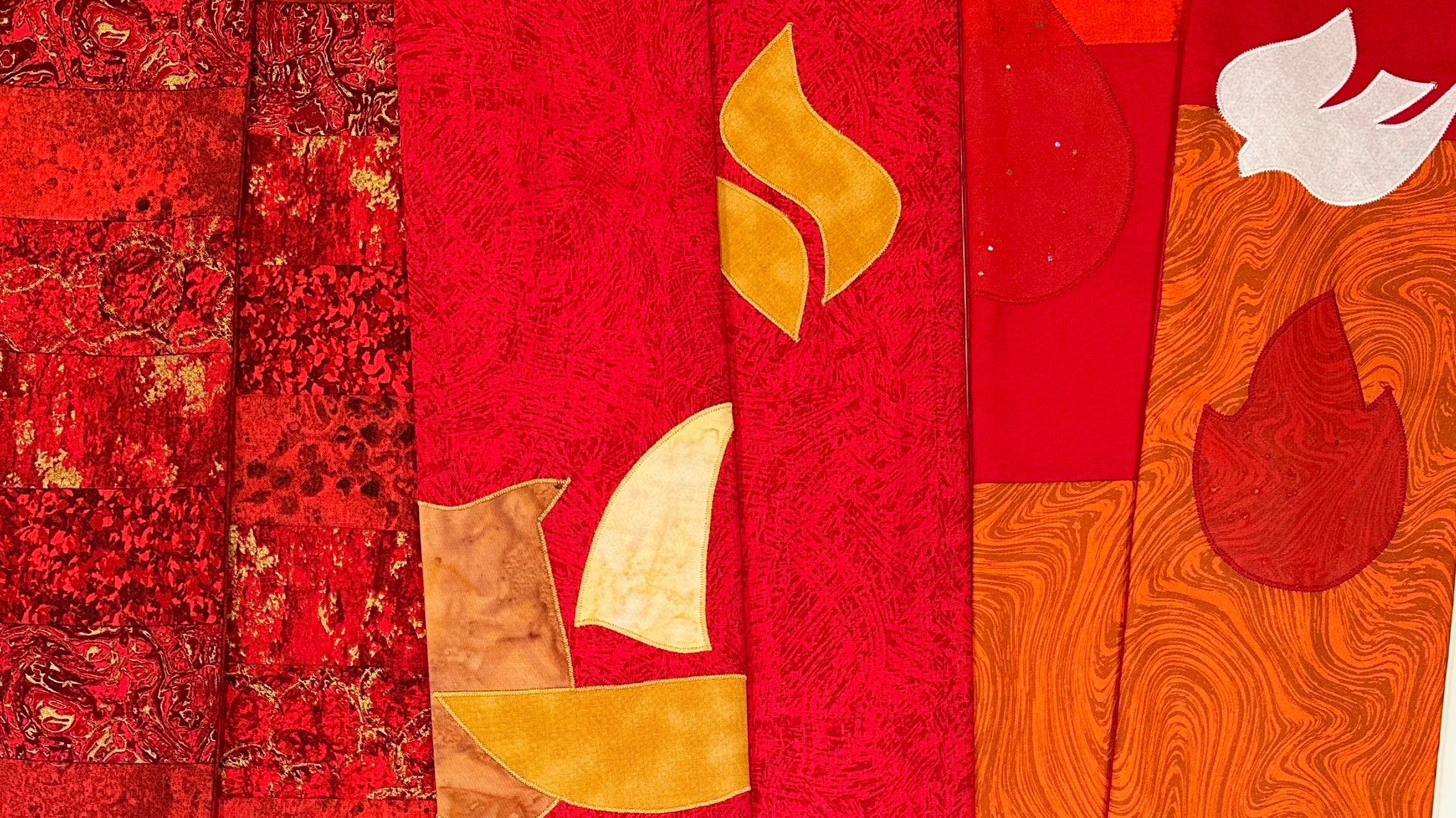
The Language of Red: Stoles and Vestments
One of the most immediate visual markers of Pentecost is color.
Red fills the sanctuary symbolizing fire, energy, and the presence of the Holy Spirit. Clergy stoles, in particular, become a focal point. They move as the pastor moves, carrying the symbolism of flame into every part of the service.
A Pentecost stole often includes imagery like:
Flames or tongues of fire
Doves
Flowing lines that suggest wind or breath
These are not just artistic choices. They are theological ones.
A stole becomes a kind of visual sermon communicating something that words alone cannot fully express.
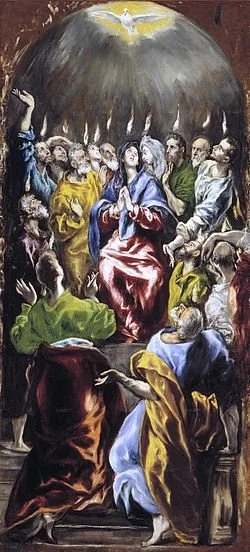
A Glimpse Through History: Pentecost in Art
Artists have been trying to capture Pentecost for centuries. That moment where something invisible became suddenly, unmistakably present.
In works like Pentecost by El Greco, the scene feels alive with motion. Flames hover above each person, but the real energy is in the faces, the gestures, the sense that something has just shifted.
The Spirit is not static.
It moves, stirs, transforms.
This is what visual art can offer the church: a way of stepping into the moment rather than simply observing it.
*art in the public domain for free use
Three Creative Ways to Celebrate Pentecost Visually
1. A Community Flame Installation
Invite members of the congregation to create small paper or fabric flames. Each one could hold a word from the prompt: What is the Spirit calling you to carry into the world? For example:
Hope
Courage
Peace
Justice
Love
These can be gathered into a large installation, perhaps suspended from a mobile, arranged on a wall, hung from windsocks that are displayed outside or in front of windows, or placed near the altar or Communion Table. This will become an outward facing and missional way to look forward as a faith community.
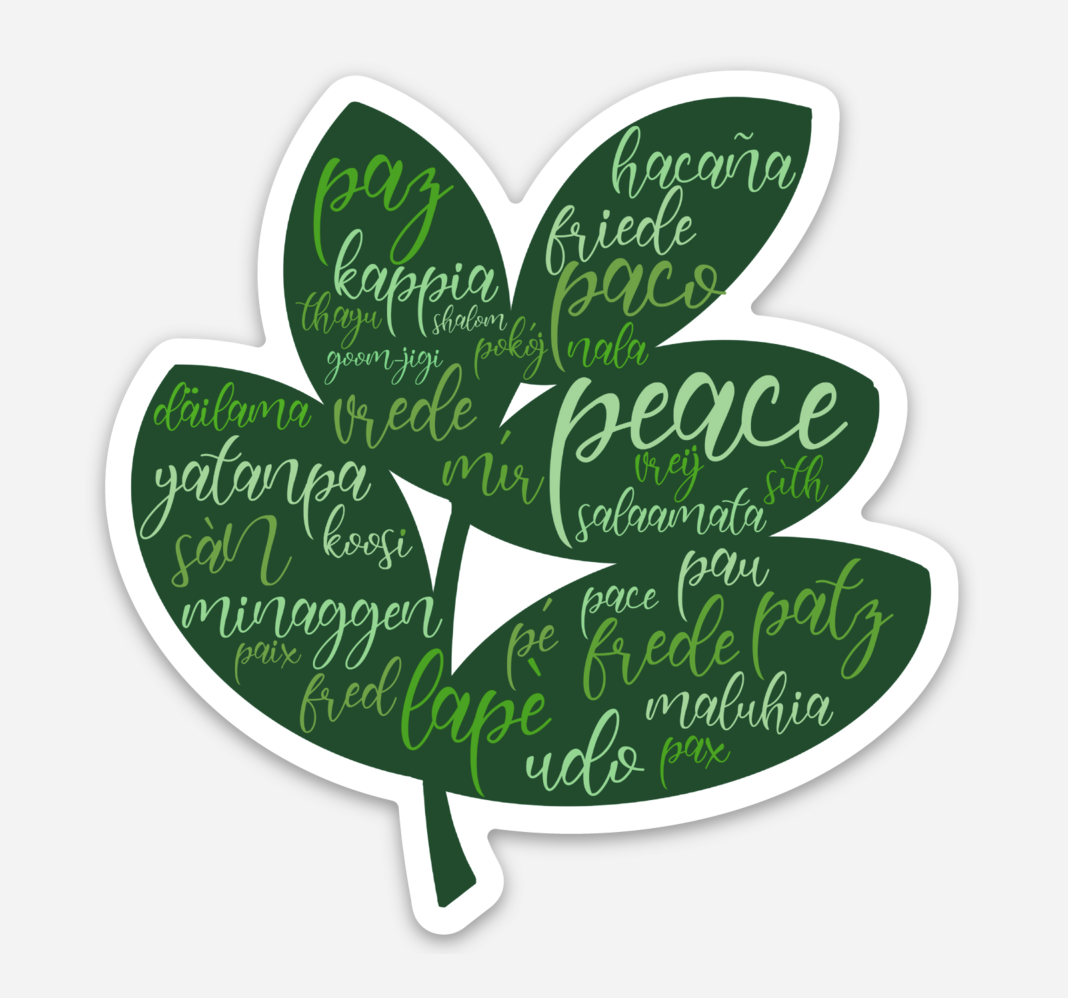
2. Language and Voice
Pentecost is, at its heart, a story about language.
Consider incorporating multiple languages visually:
Printed banners
Projected words
Spoken phrases paired with written text
Even a simple display of the word “peace” or “welcome” in many languages can reflect the expansiveness of the Spirit’s reach. (*stickers)
3. Light as Presence
If your space allows, consider how light can be used intentionally.
Warm-toned lighting.
Projected patterns that flicker like flame.
Candles arranged in a way that draws the eye.
Light has always been one of the church’s most powerful visual tools, and Pentecost is a natural moment to lean into it.
Letting the Spirit Be Seen
At Carrot Top Studio, this is something we return to often: the idea that visual elements in worship are not simply aesthetic, but they are formational.
They help people understand.
They help people remember.
They help people feel what is otherwise difficult to name.
Pentecost is not a quiet story. It is full of energy, surprise, and transformation. So perhaps the invitation is this:
To let the sanctuary reflect that movement.
To let the visuals speak alongside the scripture.
To create space for people not only to hear about the Spirit, but to glimpse it. 🧡